Kinijoje, Jiangsu provincijoje, įsikūręs Huaxi kaimas kadaise buvo žinomas kaip "pavyzdinis socialistinis kaimas" ir "turtingiausias kaimas Kinijoje". Vietos pareigūnai jį vadino "pavyzdiniu socialistiniu kaimu". Tačiau pastaruoju metu kaimas susiduria su iššūkiais, keliančiais klausimus apie jo ateitį.
Huaxi - „pavyzdinis socialistinis kaimas“, teigia vietos pareigūnai. Jį vietos Komunistų partijos sekretorius Wu Renbao įkūrė 1961 metais. Wu Renbao (吴仁宝) sukūrė planą, kaip paversti tai, kas anksčiau buvo varginga kaimo vietovė, į modernią turtingą bendruomenę.
Jo siekis buvo vargingą ūkininkų bendruomenę paversti nepaprastai turtinga, ją kuriant protingai pritaikant šiuolaikinio žemės ūkio verslo metodus, tuomet diversifikuoti į plieno gamyklas, logistikos bendroves ir tekstilės verslą. Wu Renbao siekia, kad Huaxi turėtų pademonstruoti Kinijos pasiekimus, dabar kasmet į kaimelio didybę paspoksoti atvyksta du milijonai lankytojų.
Komuna į akcijų biržą įtraukta 1998 metais, o dabar ji tapo didele savarankiška korporacija. Jos dukterinės kompanijos, suburtos į šių dienų konglomeratą primenantį darinį, eksportuoja daugiau kaip į 40 pasaulio šalių.
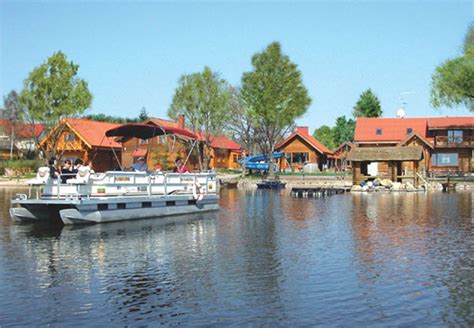
Ekonomikos augimas ir diversifikacija
Huaxi kaimas išsiskiria iš daugelio kitų Kinijos kaimų. Kol likusi šalies dalis kenčia dėl besiplečiančios gerovės prarajos, skiriančios turtingus miestus rytinėje ir pietinėje pakrantėje bei kaimelius, Huaxi ėmėsi iniciatyvos, kurios varomoji jėga buvo Wu Renbao pragmatizmas, ir pasuko savu keliu. Jis elgėsi kaip miestas, net importuodamas migrantų darbo jėgą.
Sunkus darbas be abejonės davė naudos, o surinkti pinigai padėjo kaimui diversifikuotis į kitas pramonės sritis. Viena šių sričių - turto turizmas. Kai kurie vietiniai gyventojai padeda sutikti du milijonus turistų, kurie kasmet atvyksta apžiūrėti kaimo.
Iki neseniai kaimas pusę savo pajamų gaudavo iš geležies ir plieno pramonės. Tačiau šiandien tai sumažėjo iki mažiau nei trečdalio. Šis žlugimas įvyko dėl didėjančių medžiagų sąnaudų, konkuruojančių įmonių plėtros ir mažėjančios paklausos tiek užsienyje, tiek Kinijoje.
Tačiau Huaxi bando pereiti nuo nešvarios pramonės prie ekologiško aptarnavimo sektoriaus. Kaimas uždarė penkias chemijos ir tekstilės gamyklas, kurios anksčiau išleisdavo teršalus į vietinę Changjiagang upę.
Teritorinė plėtra taip pat brangsta. Per pastaruosius du dešimtmečius Huaxi pasiglemžė 12 kaimyninių kaimų, nes jo pramonė ir įtaka išsiplėtė į išorę. Oficialiai tai nėra susijungimas. Oficiali terminologija yra ta, kad kaimai yra "sujungti po Huaxi", tačiau realybė labiau panaši į įmonės perėmimą.
Gyvenimas Huaxi kaime
Tikrųjų steigėjų šeimų, vadinamų „akcininkais“, yra apie 1,6 tūkst., o vidutinės vieno namų ūkio pajamos per metus siekia 100 tūkst. svarų, kai įskaičiuojami visi priedai, pensijos ir algos. Kur pažvelgsi - visur balti BMW, o sienų tapyba vaizduoja ne socialinio realizmo stiliaus raumeningus darbuotojus, o laimingas šeimas, gyvenančias prabangiose vilose.
Kiekvienam kaimo gyventojui tenka korporacijos pelno dalis, jam taip pat priklauso mašina, namas, nemokama sveikatos apsauga ir nemokamas kepimo aliejus. Šiame kaime jautiesi kaip mažame Dubajuje.
Tačiau yra ir migrantų darbuotojų, kurie atlieka didžiąją darbo dalį. Žemiau akcininkų hierarchijoje - kaimyninių kaimų, prisišliejusių prie Huaxi, gyventojai bei dešimtys tūkstančių migrantų darbuotojų, atliekančių didžiąją darbo dalį.
Darbas ir turtas - svarbiausios ideologijos. Niekas nesiilsi savaitgaliais, o gatvėse nebelieka žmonių, nes jie visi dirba.
Huaxi Village is known as the "Number One Village Under The Sky". According to the local authorities, all the villagers (but not the much more numerous migrant workers) have a wealth of at least €100,000. This is a substantial amount by Chinese standards.
Today, there are roughly 2,000 "registered residents" in the city, who enjoy privileges like living in villas, owning luxury cars, receiving universal health care and education, as well as free cooking oil. They do have to conform to strict social guidelines, however. Gambling and drugs are strictly forbidden, and there are no bars, clubs, Internet cafes or karaoke lounges. It's said that if you leave Huaxi, you lose everything.
Roughly a third of the village's income comes from the iron and steel industry. Another portion comes from the textile factory, where predominantly Huaxi's women work at sewing machines. Not all of the workers are residents - tens of thousands of "waidiren" or out-of-towners come to Huaxi to work in its steel and textile factories, as well as the tourism industry.
Of course, not all areas of the village are upscale. There are also a few clothing stores, some low budget restaurants, and a few noodle houses.
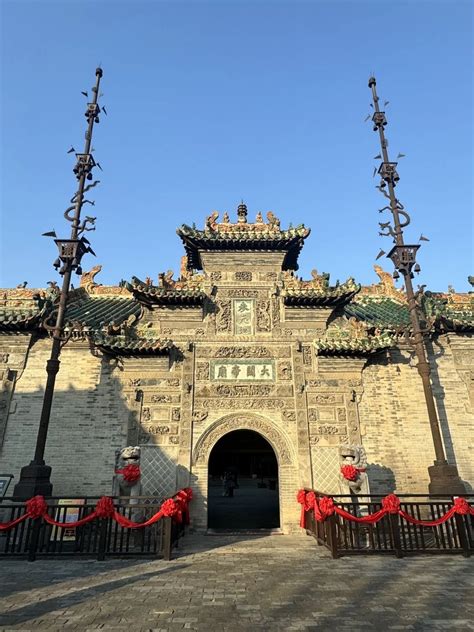
Dangoraižis ir turizmas
Huaxi is a powerhouse symbol of the country's economic expansion, embodied by a giant 328-metre skyscraper. Jonathan Watts reports guardian.co.ukAn incongruous new sight has risen up in the countryside of eastern China: a skyscraper taller than any building in London or Tokyo, topped by what looks very much like a giant, golden disco ball.
Nauja priežastis atvykti - dangoraižis, kuris daro įspūdį, tačiau nors aplink nėra jokio kito aukštesnio pastato, jis atrodo kaip išdygęs ne savo vietoje. Priežastis, kodėl jis toks aukštas, naudinga įžvalga apie čia gyvenančių žmonių mąstyseną.
Čia yra bendrabučius primenančių darbininkų gyvenviečių, gamyklų, pagodas primenančių statinių vietos gyventojams. Dangoraižyje įsikūręs „Longxi“ viešbutis, kuriame - 2 tūkst. lovų. Čia dirba 3 tūkst. žmonių, norinčių sužinoti, kaip praturtėti.
And then there's Huaxi's latest attraction - the new 1,076 foot high skyscraper that is now the 15th tallest building in China. Inside, the hotel is luxurious with gold details, marble, columns, and magnificent views of the city. The viewing room at the top of the hotel is just one more way Huaxi is trying to amp up tourism.
Kaip nesename interviu teigė Wu Renbao, taip siekiama parodyti, kad Huaxi žmonės gali varžytis su viskuo šalyje. „Pekino aukščiausias pastatas - 328 metrų Pasaulio prekybos centras. Huaxi nori išlaikyti tokį pat aukštį, kaip ir Centrinis Komunistų partijos komitetas“, - teigė jis.
Even the Shard London Bridge - which will be the tallest building in the EU when it is completed next year - is 18m shorter than Huaxi's new village centre.
Šis 3,5 mlrd. juanių (360 mln. svarų) investicija skirta pritraukti turistus ir naują verslą į Huaxi, nes ji bando pereiti nuo nešvaraus pramonės centro prie ekologiškai švaraus paslaugų sektoriaus.
To give visitors a better view, villagers have started a helicopter business - a first step in a planned expansion into commercial aviation and high-end tourism.
Kritika ir iššūkiai
Critics have accused the Wu family of a nepotistic leadership, pointing out how many important positions are filled by members of the Wu family.[6] In a study conducted by Zhou Yi in 2004, it was found that over 90% of the village's total wealth is controlled solely by the four sons of Wu Renbao.[7] It has also been widely reported that residents of this village cannot leave, or risk losing all of their assets.
Huaxi Village in Jiangsu Province - once known as the "richest village in China" - has been in the news, albeit controversially. Last week, a video of Huaxi villagers lining up in the rain went viral. It turned out that they had invested their money with the Huaxi Group, set up by the Huaxi Village Communist Party Committee, but their dividends had dropped from 30% to just 0.5%, and they were worried that there were financial issues with the group.
The following day, a spokesperson for the village CCP committee confirmed the accuracy of the video but said it was mainly due to cashing out of mature investments, and that it is normal for investors to cash out at the beginning and end of the year. The spokesperson added that Huaxi Village had ample funds for people to cash out.
After 2008, Huaxi's steel industry declined, and overproduction became an increasing problem. In 2013, there were reports that because village-owned enterprises were losing money, villagers (being shareholders) were forced to check into five-star luxury hotels to "boost domestic demand". Over the past five years, the Huaxi Group has been around 40 billion RMB in debt, while a performance report from January this year showed a first-ever loss for the parent company, of between 390 million RMB to 435 million RMB in 2020.
Amid a worsening debt crisis in Huaxi Village, outsiders are increasingly casting doubt on how the village is run. After Wu Renbao passed away in 2013, his son Wu Xie'en took over as Huaxi Village party secretary and Huaxi Group CEO. Other members of the Wu family also hold important positions in the village, inviting criticism that Huaxi Village has now become "a feudalistic world ruled by a single family".
Not only have the investments in the emerging industries failed to compensate for the losses incurred in the traditional industries, but they have also increased operating costs.
Valdymo perėmimas ir ateities perspektyvos
Wu Renbao (simplified Chinese: 吴仁宝; traditional Chinese: 吳仁寶; pinyin: wú rénbǎo), the former secretary of Huaxi Village Communist Party Committee, developed a plan to turn what used to be a poor rural locality into a modern rich community.
After Wu Renbao passed away in 2013, his son Wu Xie'en took over as Huaxi Village party secretary and Huaxi Group CEO. Other members of the Wu family also hold important positions in the village, inviting criticism that Huaxi Village has now become "a feudalistic world ruled by a single family".
Can Wu Renbao's descendants lead Huaxi Village to find the right development path? Does a village run like a family business have a competitive edge in this day and age? There are no answers to these questions yet.
The family-run trait of Huaxi Village is reflected in the passing of the leader's mantle as well as in the differential treatment of insiders and outsiders.
Can Huaxi Village rely on its existing system to bring in new blood?... how Huaxi Village reinvents itself, overcomes its credit crisis, and finds a sustainable development path after going through the growing pains of transformation, will surely be a more valuable point of reference.
Huaxi Village created its old success story during an extraordinary period of development in China. A run on Huaxi Village reflects that this "number one village in the world" is losing its investors' trust due to its outdated modus operandi, bringing greater challenges to its future development.
| Rodiklis | Vertė |
|---|---|
| Vidutinės metinės namų ūkio pajamos (akcininkai) | 100,000 svarų sterlingų |
| Dangoraižio aukštis | 328 metrai |
| Dangoraižio investicijos | 3.5 mlrd. juanių |
tags: #chuaki #kinijos #turtingiausias #kaimas