Pastaruoju metu vis didesnio populiarumo sulaukia "black box" tipo erdvės, ypač teatro ir kino srityse. Šiame straipsnyje panagrinėsime, kas tai yra, kokios jų savybės ir kaip jos pritaikomos įvairiose srityse.
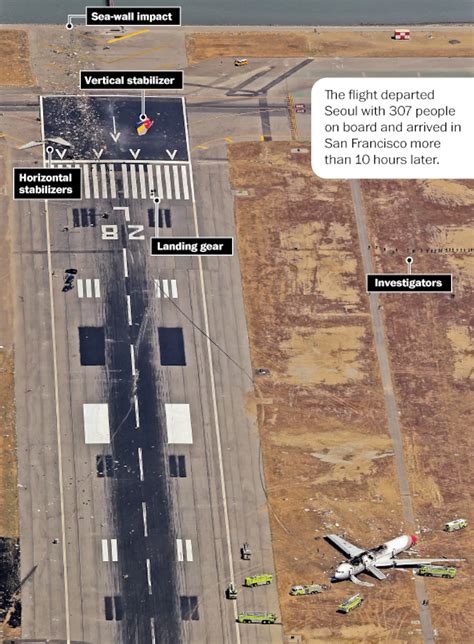
NTSB parodė Asiana Airlines skrydžio 214 skrydžio duomenų registratorių ir kabinos balso registratorių 2013 m. liepą Vašingtone, D.C., po to, kai Boeing 777 orlaivis sudužo ant San Francisko tarptautinio oro uosto kilimo ir tūpimo tako.
„Black Box“ tipo erdvės savybės
„Black box“ tipo erdvė - tai universali patalpa, dažniausiai naudojama teatro, kino ir kituose meniniuose projektuose. Jos pagrindinės savybės:
- Juodos sienos, grindys ir lubos: Tai leidžia sukurti neutralią aplinką, kurioje galima lengvai manipuliuoti šviesa ir projekcijomis.
- Lankstumas: Erdvę galima pritaikyti įvairiems tikslams, keičiant scenos ir žiūrovų vietų išdėstymą.
- Minimalizmas: Dažniausiai tokios patalpos neturi stacionarių elementų, tokių kaip scena ar užkuliai.
„Black Box“ teatro žanro evoliucija
Atsliepdamos teatro žanro evoliuciją, XX amžiaus septintame dešimtmetyje išpopuliarėjo „black box“ tipo teatro salės, kuriose buvo atsisakyta ilgos architektūrinės teatrų tradicijos. Svarbiausia, nebeliko dvinarės teatro struktūros, dalijusios erdvę į auditoriją ir sceną. Jas pakeitė vientisa juoda patalpa be stacionarios scenos, kurioje žiūrovų kėdės ir spektaklio veiksmo vieta išdėstomos laisvai, pagal poreikį.
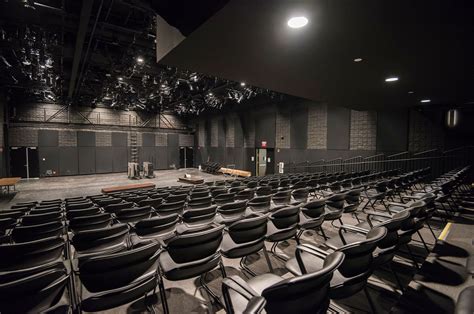
Pavyzdys "Black Box" teatro
„Black Box“ tipo patalpų pavyzdžiai Lietuvoje
Lietuvos Nacionalinis Dramos Teatras
Naujojoje salėje scenos vieta yra numatyta, tačiau ji nesunkiai gali būti ir pakeista, jos neįrėmina proskenijo arka. Pagrindinė amfiteatro vieta taip pat yra suformuota, tačiau pagal poreikį jis gali būti sustumtas prie sienos, o atsivėrusi erdvė naudojama kaip scena.
Buvusio sandėlio vietoje suprojektuota nauja Mažoji salė - tai laisvai transformuojama „black box“ tipo erdvė.
Naujoji salė yra įprastos teatro auditorijos ir „black box“ (juodosios dėžės) tipo salės mišinys. Ją sudaro tradiciniai teatro elementai - parteris, balkonas ir siauri šoniniai balkonai.
Juozo Miltinio Dramos Teatras Panevėžyje
2018 metais, kai Juozo Miltinio dramos teatro didžioji scena buvo uždaryta rekonstrukcijai, dekoracijų cecho patalpoje buvo įkurta „Miltinio laboratorija“. Tai dar viena - trečioji - teatro salė, skirta spektakliams rodyti. Šios salės atsiradimas nebuvo planuotas ir tik leido teatrui nesustabdyti savo veiklos atliekant didžiosios scenos rekonstrukciją. Tai alternatyvi, netradicinė, „black box“ tipo teatro salė.
Buvęs dekoracijų cechas dabar yra erdvi, tačiau tamsi patalpa - juodomis sienomis ir lubomis, taip pat ir juodomis lygiomis grindimis. „Miltinio laboratorija“ neturi jokių stacionarių ir klasikinei teatro scenai įprastų elementų: joje nėra scenos, nėra kulisų ir užkulisių, nėra proskenijo arkos, taip pat nėra pastovios auditorijos vietos.
LMTA miestelis
Teatro ir kino fakulteto pastate, kuris projektuojamas trijų aukštų, pirmame, įėjimo, aukšte projektuojamos patalpos, kuriose numatomi lankytojų srautai: kino teatras, Black box teatro salė su aptarnaujančiomis patalpomis, didžioji šokio auditorija.
„Black Box“ tipo patalpų pritaikymas įvairiose srityse
"Black box" tipo patalpos plačiai naudojamos įvairiose srityse:
- Teatras: Eksperimentiniams spektakliams, šokio pasirodymams ir kitoms netradicinėms formoms.
- Kinas: Filmavimui, repeticijoms ir peržiūroms.
- Švietimas: Mokymo tikslams, studentų projektams ir kūrybinėms dirbtuvėms.
- Renginiai: Konferencijoms, parodoms ir kitiems renginiams, kuriems reikalinga lanksti erdvė.
„Juodoji dėžė“ aviacijoje
The black box is an essential component of aircraft, designed to record flight data and cockpit conversations. This crucial device plays a key role in aviation safety and accident investigations.
Answers, unfortunately, don't always come fast though. It took investigators nearly two years to find the black box from Air France Flight 447, 447 which crashed on June 1, 2009, into the South Atlantic. The box had not only survived impact, but also being submerged under nearly 13,000 feet of salty, corrosive seawater.
There are usually many unanswered questions when a plane goes down. That's why investigators turn to the airplane's flight data recorder (FDR) and cockpit voice recorder (CVR), also known as "black boxes," for answers.
According to reports from AP, the flight data recorder should help investigators get some answers about what caused the two-month-old Boeing 737 MAX 8 to crash just after takeoff. Divers in Indonesia finally recovered one of the flight data recorders from the Lion Air jet that crashed into the Java Sea on Oct. 29, 2018, with 189 people aboard.
These recording devices, which cost between $10,000 and $15,000 each, reveal details of the events immediately preceding the accident.
Kas yra "juodoji dėžė"?
A black box is a flight recorder installed in an aircraft, primarily responsible for collecting various data during a flight. This data includes flight parameters such as altitude, speed, and heading, as well as cockpit audio which provides insights into the communications between the flight crew. Despite its name, the black box is typically painted bright orange to facilitate its recovery after an accident.
„Juodosios dėžės“ tipai
There are two main types of black boxes: the Flight Data Recorder (FDR) and the Cockpit Voice Recorder (CVR). The FDR records technical flight details such as speed, altitude, and heading, while the CVR captures audio from the cockpit, including pilot conversations and announcements. These recordings are vital for investigations into accidents and incidents.
Kaip veikia "juodoji dėžė"?
The operation of a black box is quite sophisticated. Flight data is collected through sensors strategically placed throughout the aircraft. This data is then recorded on crash-survivable memory units designed to withstand extreme conditions, such as high temperatures and immense pressure found in an aircraft crash. Cockpit audio is captured through microphones in the cockpit, and this information is continuously recorded during the flight.
The recorded information is transmitted to the memory unit, where it is stored until the aircraft lands. In the event of an accident, recovery teams can locate the black box using underwater locator beacons that emit signals, making it easier to find the device even in challenging environments.
„Juodosios dėžės“ svarba
The black box is crucial for aviation safety. It provides essential data that can help identify the cause of accidents, contributing to enhanced safety measures in the aviation industry. Investigators analyze the retrieved data to learn lessons from unfortunate events, which ultimately helps in preventing future occurrences. The insights gained can be pivotal in redesigning aircraft systems, improving pilot training programs, and formulating new regulations.
Both the FDR and CVR are invaluable tools for any aircraft investigation. These are often the lone survivors of airplane accidents, and as such provide important clues to the cause that would be impossible to obtain any other way.
Older black boxes used magnetic tape, a technology that was first introduced in the 1960s. Magnetic tape works like any tape recorder. The Mylar tape is pulled across an electromagnetic head, which leaves a bit of data on the tape.
Solid-state recorders are considered much more reliable than their magnetic-tape counterparts. Solid state uses stacked arrays of memory chips, so they don't have moving parts. Data from both the CVR and FDR is stored on stacked memory boards inside the crash-survivable memory unit (CSMU).
Airplanes are equipped with sensors that gather data such as acceleration, airspeed, altitude, flap settings, outside temperature, engine performance, and cabin temperature and pressure. For instance, in the Boeing 787, the units can log a whopping 146,000 parameters, resulting in several terabytes of data for every single flight. That incredible load of data is a double-edge sword; it's great for monitoring the aircraft, but it can overwhelm engineers and maintenance personnel.
Whether the system is an older version or fully modern, all of the data collected by the airplane's sensors is sent to the flight-data acquisition unit (FDAU) at the front of the aircraft. This device often is found in the electronic equipment bay under the cockpit. The flight-data acquisition unit is the middle manager of the entire data-recording process.
Both black boxes are powered by one of two power generators that draw their power from the plane's engines.
In almost every commercial aircraft, there are several microphones built into the cockpit that listen to flight crew conversation. These microphones also track any ambient noise in the cockpit, such as switches being thrown or any knocks or thuds. Microphones send audio to the CVR, which digitizes and stores the signals.
In the cockpit, there is also a device called the associated control unit, which provides pre-amplification for audio going to the CVR.
Most magnetic-tape CVRs store the last 30 minutes of sound. They use a continuous loop of tape that completes a cycle every 30 minutes. As new material is recorded, the oldest material is replaced.
CVRs that use solid-state storage can record two hours of audio.
The flight data recorder (FDR) is designed to record the operating data from the plane's systems. There are sensors wired from various areas on the plane to the flight-data acquisition unit, which is wired to the FDR.
Magnetic-tape recorders have the potential to record up to 100 parameters.
On July 17, 1997, the FAA issued a Code of Federal Regulations that requires the recording of at least 88 parameters on aircraft manufactured after Aug. 19, 2002.
Solid-state recorders can track more parameters than magnetic tape because they allow for a faster data flow. Solid-state FDRs can store up to 25 hours of flight data.
Airplane crashes are violent affairs. In many such accidents, the only devices that survive are the crash-survivable memory units (CSMUs) of the flight data recorders and cockpit voice recorders. Typically, the rest of the recorders' chassis and inner components are mangled.
What is an operating room black box? | 90 Seconds w/ Lisa Kim
The CSMU is a large cylinder that bolts onto the flat portion of the recorder. This device is engineered to withstand extreme heat, jarring crashes and tons of pressure.
To ensure the quality and survivability of black boxes, manufacturers thoroughly test the CSMUs. Remember, only the CSMU has to survive a crash - if accident investigators have that, they can retrieve the information they need. In order to test the unit, engineers load sample data onto the memory boards inside the CSMU.
Black boxes are usually sold directly to and installed by the airplane manufacturers. Both black boxes are installed in the tail of the plane - putting them in the back of the aircraft increases their chances of survival. The precise location of the recorders depends on the individual plane.
Although they are called "black boxes," aviation recorders are actually painted bright orange. This distinct color, along with the strips of reflective tape attached to the recorders' exteriors, help investigators locate the black boxes following an accident. These are especially helpful when a plane lands in the water.
In addition to the paint and reflective tape, black boxes are equipped with an underwater locator beacon (ULB). If you look at the picture of a black box, you will almost always see a small, cylindrical object attached to one end of the device. If a plane crashes into the water, the beacon sends out an ultrasonic pulse that cannot be heard by human ears but is readily detectable by sonar and acoustical locating equipment.
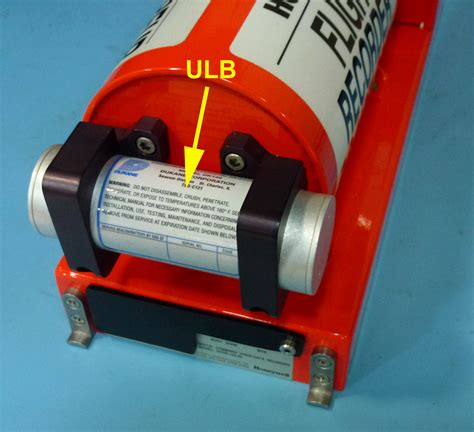
There is a submergence sensor on the side of the beacon that looks like a bull's-eye. The beacon sends out pulses at 37.5 kilohertz (kHz) and can transmit sound as deep as 14,000 feet (4,267 meters). Once the beacon begins pinging, it pings once per second for 30 days. This beacon is powered by a battery that has a shelf life of six years.
When investigators locate a black box, it's transported to the computer labs at the National Transportation Safety Board (NTSB). Special care is taken in transporting these devices in order to avoid any further damage to the recording medium.
Duomenų išgavimas ir analizė
After finding the black boxes, investigators take the recorders to a lab where they can download the data from the recorders and attempt to recreate the events of the accident. This process can take weeks or months to complete.
If the FDR is not damaged, investigators can simply play it back on the recorder by connecting it to a readout system. With solid-state recorders, investigators can extract stored data in a matter of minutes through USB or Ethernet ports. Very often, recorders retrieved from wreckage are dented or burned.
In these cases, the memory boards are removed, cleaned up and have a new memory interface cable installed. Then the memory board is connected to a working recorder.
A team of experts is usually brought in to interpret the recordings stored on a CVR. This group typically includes representatives from the airline and airplane manufacturer, an NTSB transportation-safety specialist and an NTSB air-safety investigator.
This group may also include a language specialist from the FBI and, if needed, an interpreter. This board attempts to interpret 30 minutes of words and sounds recorded by the CVR.
Galimos "juodosios dėžės" technologijos patobulinimai
There are all sorts of potential improvements on the horizon for black box technology. Most obviously, current systems don't record any video of cockpit activity. The NTSB continues to insist that there's no such thing as having too much information when investigating plane crashes.
But the technology is more than ready. Airbus, for example, installs a Vision 1000 system in all of its helicopters. The Vision 1000 camera is mounted behind the pilot's head, where it records video of the pilot's actions and the cockpit area, as well as the view beyond the windshield, at four frames per second.
Video isn't the only improvement that's found resistance from the status quo. Since 2002, some legislators have pushed for the Save Aviation and Flight Enhancement Act, which would require not one, but two flight recorders, including one that automatically ejects itself from the plane during an incident. Such self-ejecting recorders are easier to locate are less likely to suffer catastrophic damage.
Black boxes aren't just for planes. They're now integrated into many types of vehicles. You may even have one in your car, though you don't know about it. About 90 percent of new cars have event data recorders (EDRs) that track the same kind of data as airplane black boxes. The EDR is ostensibly designed to maintain and monitor the car's safety system, but accident investigators can and do use EDR data to better understand wrecks ...
When it comes to black boxes mounted to airplanes, it's entirely possible that they'll go by the wayside. Instead of recording to a box, airplanes may soon simply stream all of their essential data directly to a ground-based station. These systems already exist. Such systems eliminate the desperate search for a box that may have been destroyed in a crash, and may be more dependable, too.
Dažniausiai užduodami klausimai
Kas yra "juodoji dėžė"?
The concept of the black box generally refers to a device or system where its internal workings are not visible to the user or observer, and the focus is on understanding its input and output. In various contexts, such as aviation or technology, a black box can also specifically refer to a data recorder or device that captures information about the functioning of a system, often used to investigate incidents or failures.
Kaip veikia "juodoji dėžė"?
A black box typically works by continuously recording various parameters related to the operation of a system, such as flight data in aviation or performance metrics in electronic devices. In the event of an incident or malfunction, the recorded data can be analyzed to determine the sequence of events and factors leading to the occurrence.
Kokia yra "juodosios dėžės" funkcija?
The primary function of a black box is to record and store critical data about the performance and conditions of a system, often for investigative purposes in the event of accidents, failures, or unexpected events.